

Indoor air quality is a critical aspect of our overall health and well-being. With the majority of our time spent indoors, ensuring that the air we breathe is clean and safe is paramount. In this article, we’ll explore ten effective tips to enhance indoor air quality and create a healthier living environment for you and your family.
Understanding Indoor Air Quality
Indoor air quality refers to the condition of the air within buildings and structures, including homes, schools, and workplaces. It encompasses various factors such as pollutants, humidity levels, and ventilation. Poor indoor air quality can have adverse effects on health, leading to respiratory issues, allergies, and other health problems.
The Importance of Indoor Air Quality
Maintaining good indoor air quality is essential for several reasons. Firstly, it directly impacts our health, as we inhale indoor air pollutants with every breath. Secondly, poor indoor air quality can exacerbate existing health conditions and contribute to the development of new ones. Additionally, it can affect productivity and comfort levels, especially in work and living spaces.
Common Indoor Air Pollutants
Indoor air pollutants come from various sources, including household cleaning products, building materials, and outdoor pollution that seeps indoors. Common indoor air pollutants include:
- Dust and Dust Mites
- Mold and Mildew
- Pet Dander
- Tobacco Smoke
- Volatile Organic Compounds (VOCs)
- Radon Gas
- Pollen
- Carbon Monoxide
10 Tips to Improve Air Quality
Tip 1: Increase Ventilation
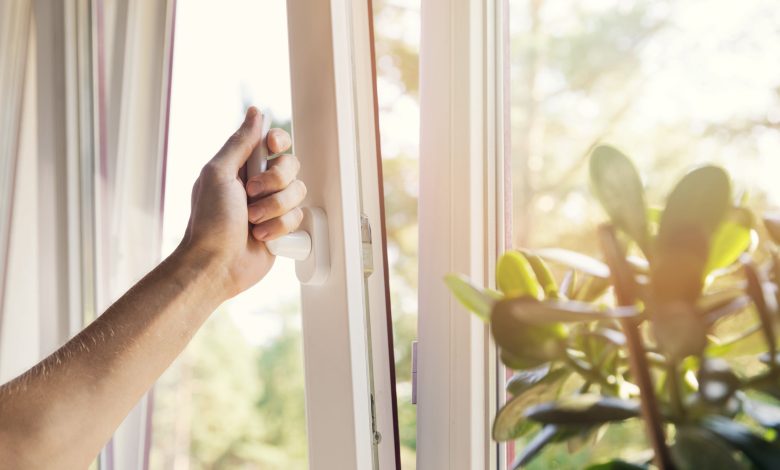
Proper ventilation is crucial for circulating fresh air indoors and reducing the concentration of indoor air pollutants. Open windows and doors whenever possible, and use exhaust fans in kitchens and bathrooms to expel contaminants.
Tip 2: Use Air Purifiers
Air purifiers are effective at removing airborne particles and pollutants, such as dust, pollen, and pet dander. Choose a high-efficiency particulate air (HEPA) filter air purifier for optimal performance.
Tip 3: Maintain Cleanliness
Regular cleaning helps reduce the buildup of dust, dirt, and other allergens in your home. Vacuum carpets and upholstery frequently, dust surfaces with a damp cloth, and mop floors regularly to keep indoor air clean.
Tip 4: Control Humidity Levels
Maintain indoor humidity levels between 30% and 50% to prevent mold growth and dust mites. Use a dehumidifier in damp areas and ensure proper ventilation to minimize moisture buildup.
Tip 5: Avoid Smoking Indoors
Tobacco smoke is a significant indoor air pollutant that can have detrimental effects on health. Avoid smoking indoors, and designate outdoor smoking areas to prevent secondhand smoke exposure.
Tip 6: Limit VOCs
Volatile organic compounds (VOCs) are chemicals found in many household products, including paints, cleaning agents, and air fresheners. Choose low-VOC or VOC-free alternatives to minimize indoor air pollution.
Tip 7: Keep Houseplants
Certain houseplants can help improve indoor air quality by absorbing harmful pollutants and releasing oxygen. Consider adding plants such as spider plants, peace lilies, and snake plants to your home.
Tip 8: Regular HVAC Maintenance
Proper maintenance of heating, ventilation, and air conditioning (HVAC) systems is essential for ensuring efficient operation and clean indoor air. Schedule regular inspections, cleanings, and filter replacements to keep your HVAC system running smoothly.
Tip 9: Monitor Radon Levels
Radon is a radioactive gas that can seep into homes through cracks in the foundation. Test your home for radon regularly and take steps to mitigate elevated levels to reduce the risk of lung cancer.
Tip 10: Test for Mold
Mold and mildew can thrive in damp environments and negatively impact indoor air quality. Conduct regular inspections for mold growth in areas prone to moisture, such as bathrooms, basements, and attics. Address any mold issues promptly to prevent further contamination.
Benefits of Improved Air Quality
By implementing these tips to improve indoor air quality, you can enjoy several benefits, including:
- Better Respiratory Health
- Reduced Allergy Symptoms
- Improved Sleep Quality
- Increased Comfort and Well-being
- Enhanced Productivity and Concentration
Conclusion
Improving indoor air quality is essential for creating a healthy and comfortable living environment. By following these ten tips, you can effectively reduce indoor air pollutants and make the air in your home safer to breathe for you and your family.
FAQs
- How often should I change the filters in my air purifier?
- It’s recommended to check and replace air purifier filters every 3 to 6 months, depending on usage and the manufacturer’s guidelines.
- Can indoor plants really improve air quality?
- Yes, certain indoor plants have air-purifying properties and can help remove toxins from the air, improving indoor air quality.
- What are some signs that my home may have poor indoor air quality?
- Signs of poor indoor air quality include musty odors, excessive dust accumulation, visible mold growth, and symptoms such as coughing, sneezing, and fatigue.
- Is it necessary to hire a professional to test for radon in my home?
- While DIY radon test kits are available, hiring a professional radon testing service is recommended for accurate results and proper mitigation if elevated levels are detected.
- Can air purifiers remove odors from cooking or pets?
- Yes, air purifiers equipped with activated carbon filters can effectively remove odors from cooking, pets, and other sources, improving indoor air quality.

